Cable tray placement at construction site
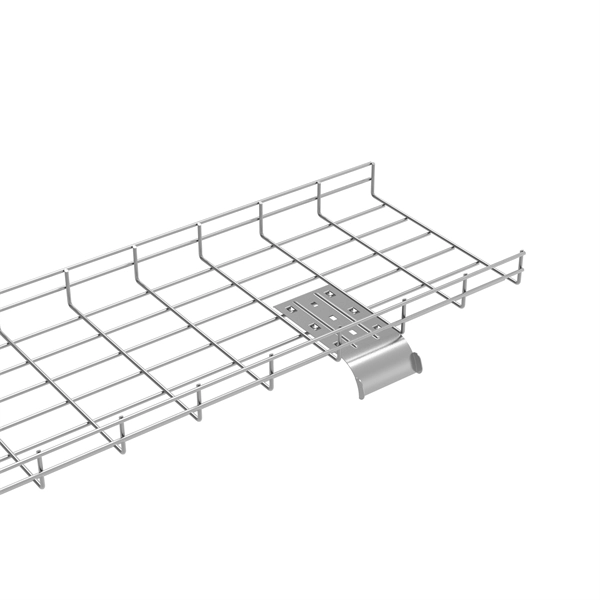
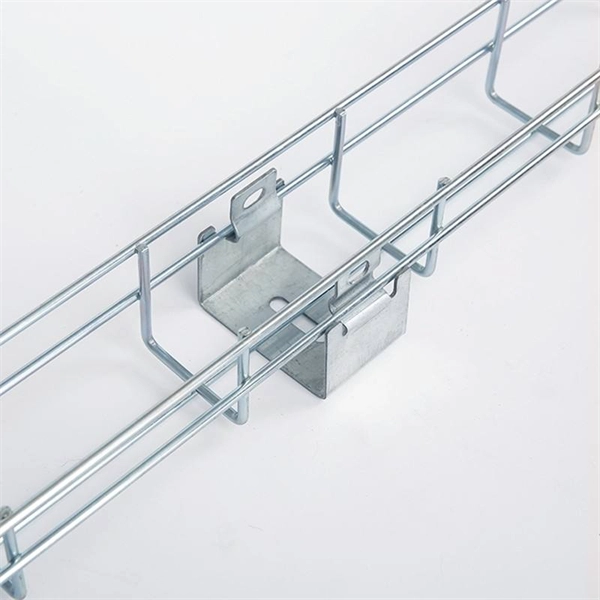
Cable tray installation involves careful planning, material inspection, safe handling, and precise mounting according to approved drawings and standards.Preparation and Material HandlingBefore installation, all cable trays, ladders, trunking, and accessories must be inspected for damage and verified against approved material submittals. Materials should be stored horizontally on flat surfaces with timber supports at intervals of one meter, protected from moisture and sunlight, and sorted by type and width for easy access during installation . Material samples may need consultant approval before use . Tools and equipment, including drills, spanners, measuring tapes, and scaffolding, should be checked for compliance with contract requirements .Site PreparationThe installation area must be surveyed and cleared, ensuring safe and accessible conditions. Safety barriers and warning signs should be installed, and coordination with other trades is essential to prevent interference . Any unsafe or unsatisfactory conditions must be corrected before work begins .Installation ProcedureReview Approved Drawings: Confirm the layout, dimensions, and mounting heights of cable trays and conduits according to shop drawings .Marking and Supports: Establish routes on slabs, walls, or ceilings using chalk lines. Mark locations for vertical and horizontal supports. Install threaded rods, Unistrut channels, and seismic restraints where required .Mounting Trays and Ladders: Secure cable trays, ladders, and trunking to supports using standard fittings. Ensure proper spacing, firm attachment, and alignment. Burrs and sharp edges should be removed to prevent cable damage .Cable Securing: Use tie wraps, cleats, or metal straps to secure cables, especially for single cables larger than 25 sq mm or bunched cables .Coordination and Access: Maintain sufficient space for cable installation and future maintenance. Coordinate with other services to avoid clashes .Quality Assurance and SafetyAll operatives should attend safety induction and demonstrate competency. Supervisors must monitor work, and retraining should be provided if necessary . QA/QC inspectors verify adherence to approved procedures, complete inspection checklists, and ensure compliance with standards . Visual and dimensional inspections of installed trays, conduits, and accessories are essential to confirm conformance with approved designs .ResponsibilitiesProject Manager: Ensures work follows contract specifications, approved drawings, and planned schedules .Site Supervisor/Engineer: Oversees installation, ensures safety compliance, and coordinates with other trades .Technicians: Execute installation according to method statements and manufacturer recommendations, providing technical guidance to the consultant and site management . By following these steps, cable tray installation can be completed safely, efficiently, and in compliance with project specifications, ensuring a reliable electrical infrastructure.