Waterproofing construction of high-voltage distribution box
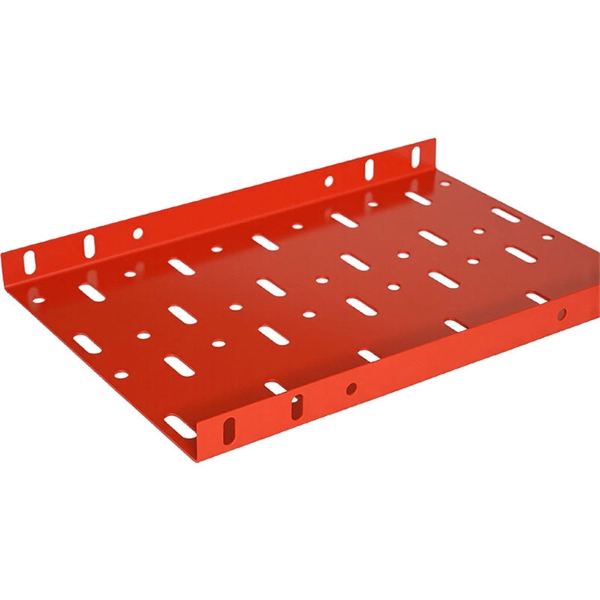
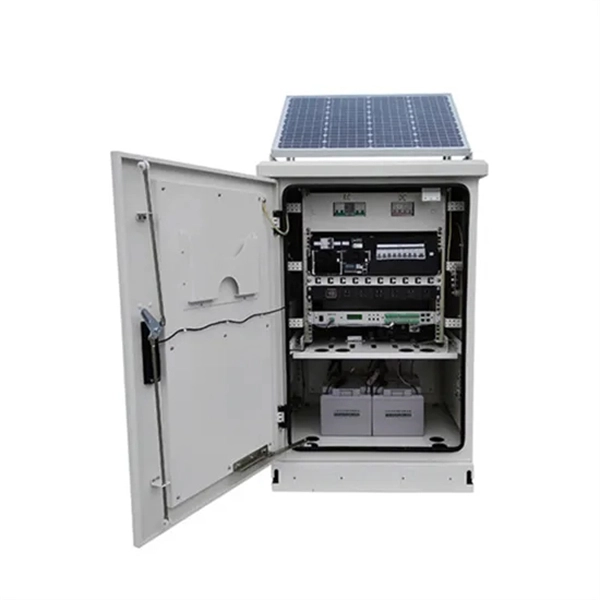
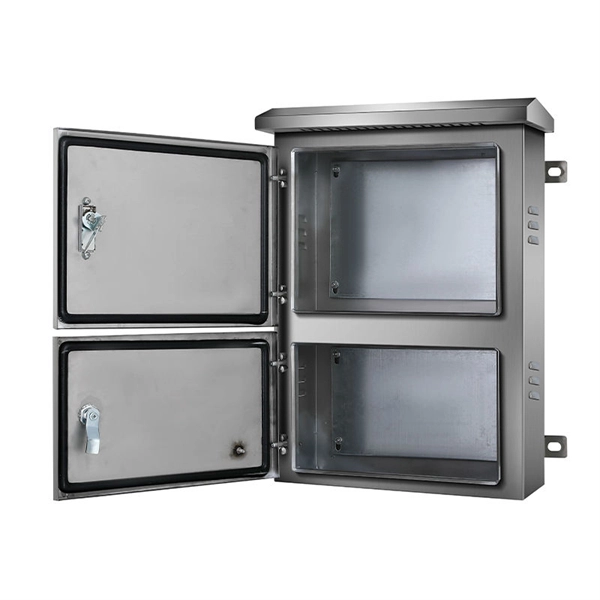
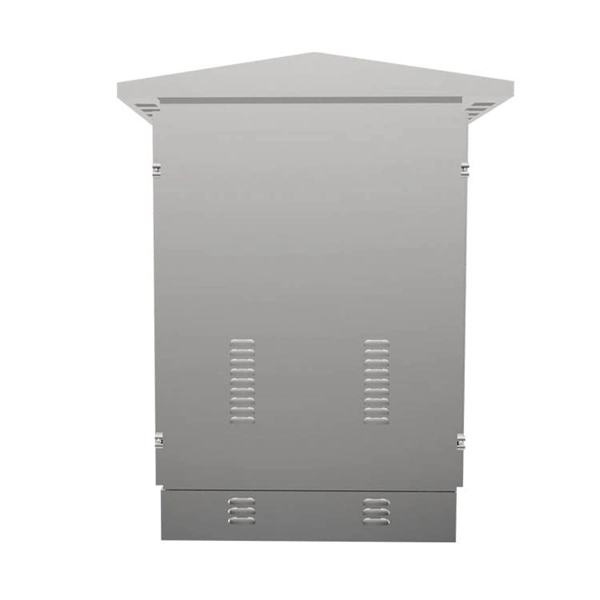
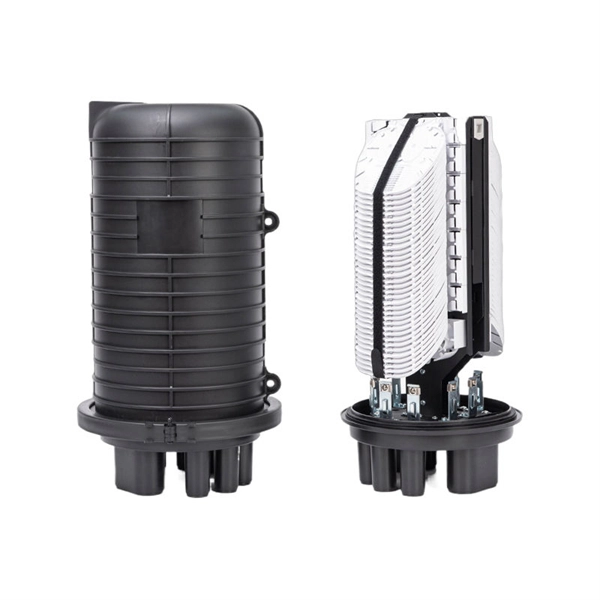
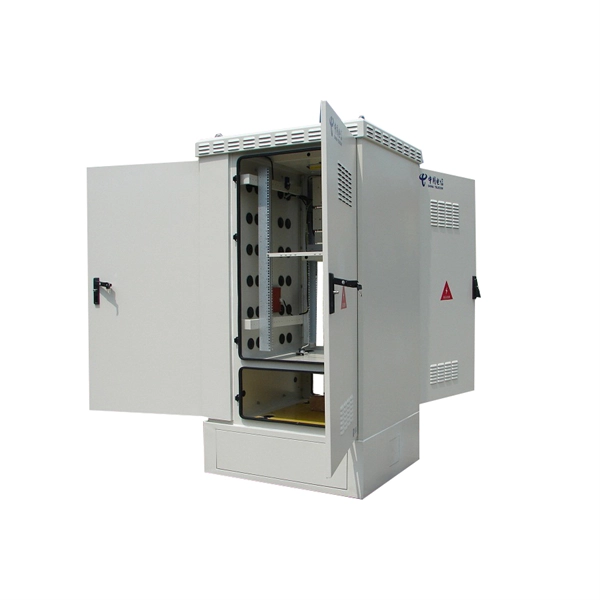
High-voltage distribution boxes achieve waterproofing through multi-layer sealing, IP-rated enclosures, specialized coatings, and structural design that prevents water ingress while allowing heat dissipation.Key Waterproofing PrinciplesIP Ratings and Enclosure Integrity High-voltage distribution boxes often use IP67 or IP68-rated enclosures, which protect against dust and temporary or continuous water exposure. These ratings ensure that sensitive internal components, such as insulation and circuit breakers, remain safe from moisture, preventing electrical leakage and short circuits in harsh environments . Sealing Mechanisms Waterproofing relies on precision-engineered gaskets, sealing plates, and rubber rings. For example, double-layer sealing systems use a combination of first and second sealing plates connected to the box structure, creating a robust barrier against water intrusion . Heavy-duty latches maintain uniform pressure across the sealing perimeter, preventing distortion over time . Special sealing covers are applied to cable entry ports, switch mechanisms, and other interfaces to enhance protection . Waterproof Coatings and Rain Protection Manufacturers often apply special waterproof coatings with strong adhesion and weather resistance to the box surface. These coatings also provide heat insulation, reducing internal temperatures and extending equipment life . Additionally, semi-circular rain shelters or rain covers made of high-strength waterproof materials prevent direct rainwater entry while allowing ventilation for heat dissipation .Structural and Installation ConsiderationsInternal Mounting and Component Isolation Inside the box, galvanized steel or reinforced fiberglass mounting plates with adjustable depth grids secure heavy components like DIN rails and circuit breakers. Molded mounting pillars isolate components from back-wall condensation, reducing the risk of moisture-related damage . Installation Techniques Proper installation is critical. The box should be mounted on a structurally sound surface using expansion bolts with rubber sealing washers. Rear mounting holes must be drilled according to manufacturer templates to ensure precise leveling and alignment . For high-voltage applications, careful attention to ventilation and heat dissipation is necessary, as excessive louvres can allow water ingress during heavy rain .Advanced Design FeaturesDouble-Layer Sealing and Maintenance Access Some high-voltage boxes incorporate U-shaped plates and connecting plates to achieve double-layer sealing, improving waterproof performance while allowing adjustable mounting plate spacing for maintenance . This design minimizes the risk of water damage during routine inspections and component replacement. Dust and Corrosion Resistance High-quality metals, surface treatments like spraying or hot-dip galvanizing, and dust-proof covers enhance durability against sand, dust, and corrosion, ensuring long-term reliability in outdoor environments .SummaryEffective waterproofing of high-voltage distribution boxes combines IP-rated enclosures, multi-layer sealing, waterproof coatings, rain covers, and careful internal component arrangement. Proper installation and maintenance practices, along with attention to heat dissipation, ensure operational safety, prevent electrical faults, and extend the service life of the equipment .