Analysis of the Reasons for Exposed Cable Trays
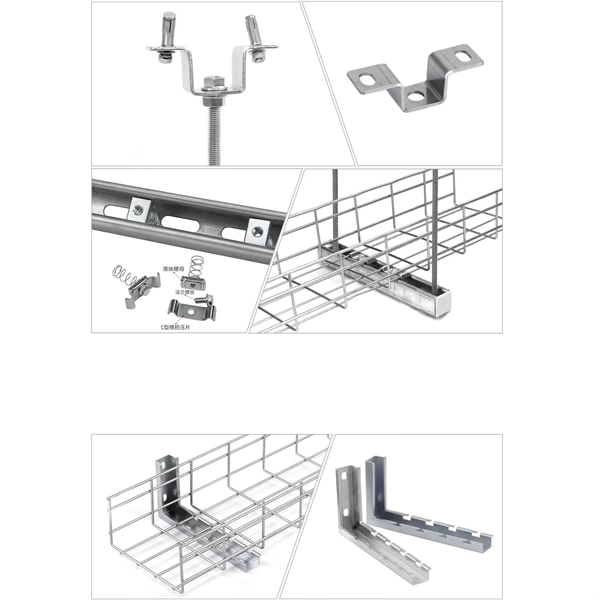
Exposed cable trays are often used for accessibility, ventilation, cost efficiency, and environmental considerations, but they carry risks such as overheating, electrical hazards, and structural stress.Technical and Design ConsiderationsCable trays are designed to support and organize electrical cables while maintaining proper spacing and bend radius. Exposed trays are often chosen for ease of installation and maintenance, allowing technicians to access cables quickly for inspection, repair, or expansion without dismantling enclosures . They are also preferred in industrial or commercial settings where visual inspection of cable integrity is critical, and in applications where aesthetic concerns are minimal . Exposed trays can improve ventilation, reducing the risk of heat buildup inside the tray. Ventilated or ladder-type trays allow natural airflow around cables, which helps dissipate heat generated during operation . This is particularly important for high-current or densely packed cables, as enclosed trays without proper ventilation can lead to insulation degradation and fire hazards .Environmental and Operational FactorsIn some cases, cable trays are exposed due to environmental constraints. For example, in areas where space is limited or where walls and ceilings cannot accommodate enclosed trays, open installation is necessary . Additionally, exposed trays may be used in outdoor or semi-outdoor environments where corrosion-resistant materials like aluminum or stainless steel are employed to withstand atmospheric conditions . However, exposure to direct sunlight can increase cable temperatures, reducing ampacity and potentially causing equipment overheating, such as drives or motors connected to the cables . Solar heating raises conductor resistance, leading to voltage drops and additional thermal stress, which can create a positive feedback loop of overheating .Safety and Risk ConsiderationsExposed cable trays carry several safety risks. Electrical hazards arise from accidental contact with live cables, while structural risks include sagging, deformation, or collapse if trays are overloaded or poorly supported . Overheating is a major concern, especially when trays are crowded with cables or contaminated with dust and debris, which can increase fire risk . Physical injury risks also exist during installation or maintenance due to sharp edges or working at height .SummaryExposed cable trays are primarily used for accessibility, ventilation, and cost-effective installation, and are often necessary in environments where enclosed trays are impractical. However, they require careful material selection, load management, and environmental consideration to mitigate risks such as overheating, electrical hazards, and structural failure. Regular inspection, proper cable spacing, and the use of corrosion-resistant materials are essential to ensure safety and system reliability .