Cable tray installation and how to put cables into the box
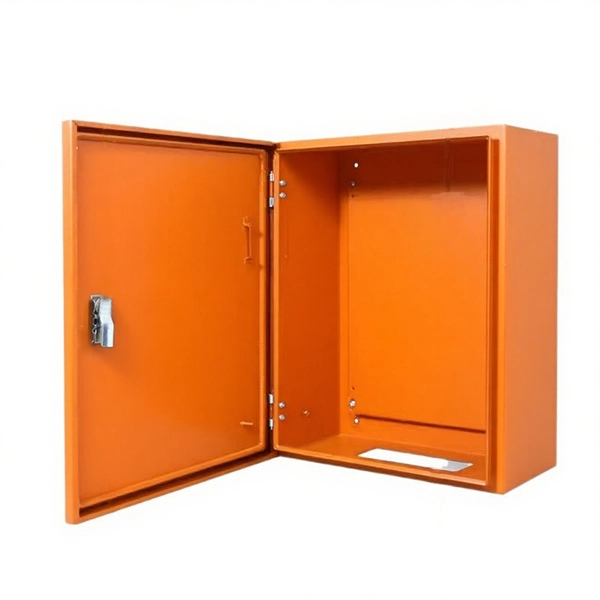
Proper installation of a cable tray box involves careful planning, selecting the right tray type, secure mounting, grounding, and labeling to ensure safety and compliance.Planning and PreparationBefore installation, plan the cable tray route according to approved drawings, considering clearance, load capacity, and cable separation requirements. Conduct a site survey to ensure the area is free of debris and obstructions, and verify that all materials, tools, and personnel are ready for the task . Pre-inspection of materials and access points is essential to prevent delays and ensure safety.Selecting Materials and ToolsChoose the appropriate cable tray type (ladder, perforated, solid-bottom, or ventilated trough) based on cable type, load, and environmental conditions . Required tools include drills, screwdrivers, spanners, measuring tape, levels, and cutting tools. Personal protective equipment (PPE) such as gloves, safety glasses, and hard hats is mandatory .Mounting and SupportInstall supports using wall brackets, ceiling struts, or trapeze hangers, ensuring proper spacing (typically 1.5–3 meters depending on tray type and load), . Align trays straight and level, connecting sections with approved fittings. Use spring knots or couplers to secure tray sections, and apply paint to cut ends to prevent corrosion .Cable Laying and OrganizationLay cables neatly within the tray, using cable ties or straps to separate by voltage and function. Leave slack for expansion or future adjustments. Avoid overfilling trays to prevent overheating and ensure compliance with NEC fill ratios .Grounding and BondingFor metal trays, install bonding jumpers across sections to maintain electrical continuity and ensure proper grounding . This step is critical for safety and compliance with electrical standards.Labeling and DocumentationLabel all cables and tray sections clearly for identification and troubleshooting. Maintain updated documentation, including wiring maps and installation records, for future maintenance and audits .Final Checks and MaintenancePerform a thorough inspection to check for loose clamps, misalignment, or damaged sections. Routine maintenance should include checking for corrosion, loose wires, or broken supports to extend the system's lifespan and reliability . By following these steps, a cable tray box system can be installed safely, efficiently, and in compliance with electrical codes, ensuring long-term functionality and ease of maintenance.