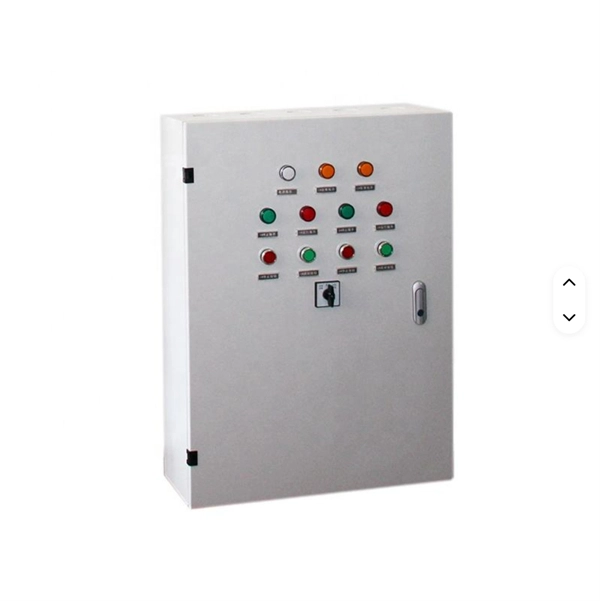
Integrated Emergency Centralized Power Supply Installation
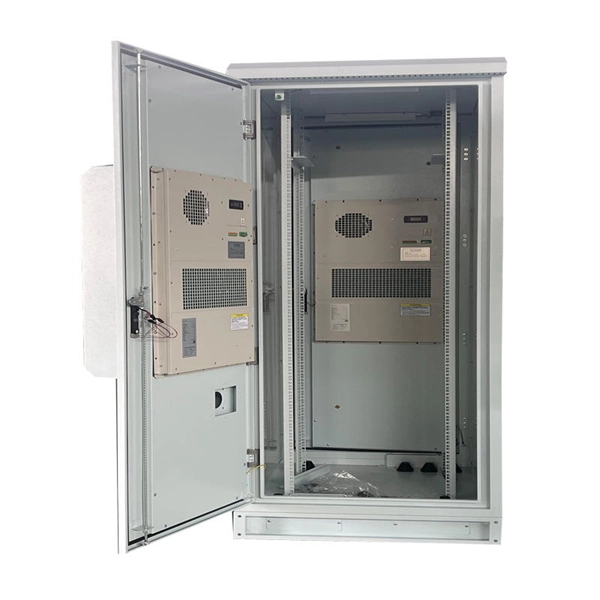
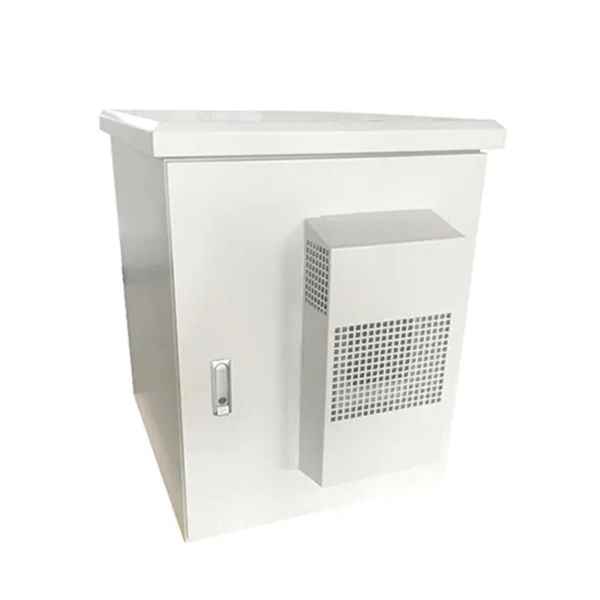
An integrated emergency centralized power supply (CPSS) provides reliable backup power for emergency lighting, fire systems, and critical equipment, ensuring safety and compliance with standards like EN 50171.OverviewIntegrated emergency centralized power supply systems, also known as Central Power Supply Systems (CPSS), are designed to provide uninterrupted power to emergency lighting, fire alarms, smoke extraction, and other critical systems during power outages . These systems typically include batteries, inverters, chargers, and distribution circuits in a single integrated unit, allowing centralized control and monitoring.Key ComponentsBatteries: Lead-acid or advanced battery technologies with a lifespan of 10–12 years are commonly used. Proper temperature control (around 20°C) is essential to maximize battery life .Inverters: Convert DC battery power to AC, capable of handling continuous overloads up to 120% .Chargers: Recharge batteries within 12 hours from a fully discharged state .Distribution Circuits: Provide power to emergency lighting and other connected loads, often with polarity-independent connections for ease of installation .Monitoring and Alarms: Systems include fault alarms, historical event recording, and communication with a central controller for real-time status updates .Installation GuidelinesSite Preparation: Ensure the installation area is well-ventilated, temperature-controlled, and capable of supporting the weight and dimensions of the CPSS .Battery Connection: Follow the battery layout drawing carefully. Connect positive terminals to adjacent negative terminals, insulate all connections, and apply protective coatings to prevent corrosion .Inverter and Charger Setup: Mount inverters with adequate rear and side clearance (typically 75mm rear, 40mm sides) to allow proper ventilation .Integration with Systems: Connect the CPSS to emergency lighting, fire alarms, and other critical systems. Ensure fire linkage functions are properly configured to trigger emergency lighting during fire events .Testing and Commissioning: Verify all connections, perform load tests, and ensure the system operates correctly under simulated power outage conditions .Standards and ComplianceEN 50171: Governs centralized emergency power supply systems, including battery requirements, inverter performance, and safety features .CEI EN 62040: Ensures mechanical and electrical safety of the CPSS enclosure .Local Fire and Electrical Codes: Must be followed for installation, wiring, and integration with fire safety systems .Maintenance ConsiderationsRegular inspection of battery health and connections.Ensure ventilation is unobstructed and cooling systems are functional.Periodic testing of emergency lighting and system alarms.Replace batteries according to manufacturer recommendations or if performance degrades .AdvantagesCentralized control and monitoring of emergency power.High reliability and safety for personnel and equipment.Compact design with high power density, suitable for data centers, hospitals, and industrial facilities .Integration with fire and safety systems enhances overall building safety. By following these guidelines, an integrated emergency centralized power supply can provide safe, reliable, and compliant backup power, ensuring uninterrupted operation of critical systems during emergencies.