What issues should be considered during optical cable installation
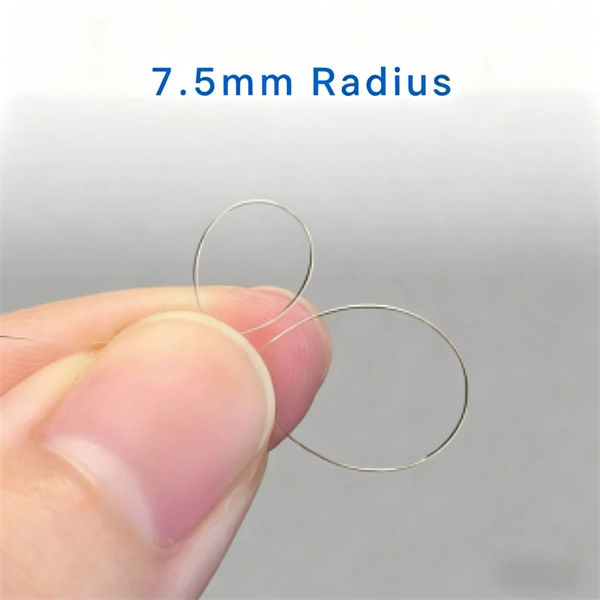
Successful optical cable installation requires careful attention to handling, bend radius, pulling tension, contamination control, and safety precautions.Mechanical Handling and Bend RadiusOptical fibers are fragile and can be damaged by excessive bending, twisting, or pulling. Always adhere to the minimum bend radius specified by the manufacturer: typically 20 times the cable diameter during installation and 10 times during static conditions for loose tube or ribbon cables. Exceeding this radius can cause compression forces on the core, leading to fiber deformation, increased attenuation, or permanent damage. Use swivels and proper cable grips to prevent twisting and uneven tension during pulling operations .Pulling Tension and Cable ProtectionDo not exceed the maximum tensile force specified for the cable, which is often around 600 lbf for outdoor loose tube or ribbon cables. Employ breakaway-rated grips to ensure the cable does not surpass its rated load. When routing cables through manholes, handholes, or conduits, avoid pinching against edges or corners, which can damage the jacket or fibers .Contamination and Connector CareFiber endfaces are highly sensitive to dust, oil, and debris. Contaminated connectors can cause signal loss, reflection, and network instability. Always clean connectors with specialized fiber optic cleaning tools before making connections, and avoid shortcuts like using generic wipes or alcohol-soaked cloths .Safety PrecautionsOptical fibers can produce invisible laser light and tiny glass shards during cutting or splicing. These shards can penetrate skin, eyes, and lungs, posing serious health risks. Always wear eye protection, gloves, and respiratory protection when handling fibers, and ensure that bystanders are aware of potential hazards. Dispose of fiber waste in designated sharps containers .Planning and MeasurementAccurately measure cable lengths to account for bends, loops, and future maintenance. Avoid excessive slack or insufficient cable, which can complicate terminations and repairs. Proper planning ensures reliable network performance and reduces the risk of costly rework .Splicing and TerminationUse high-quality fusion splicing equipment and follow best practices for fiber preparation, alignment, and splicing. Regularly calibrate and maintain splicing tools to minimize insertion loss and ensure strong, low-loss connections .SummaryWhen installing optical fiber cables, focus on mechanical integrity, proper tension, bend radius compliance, contamination control, safety, and accurate planning. Following these guidelines helps prevent signal degradation, reduces maintenance costs, and ensures long-term network reliability .