Color of Single-mode and Dual-mode Fiber
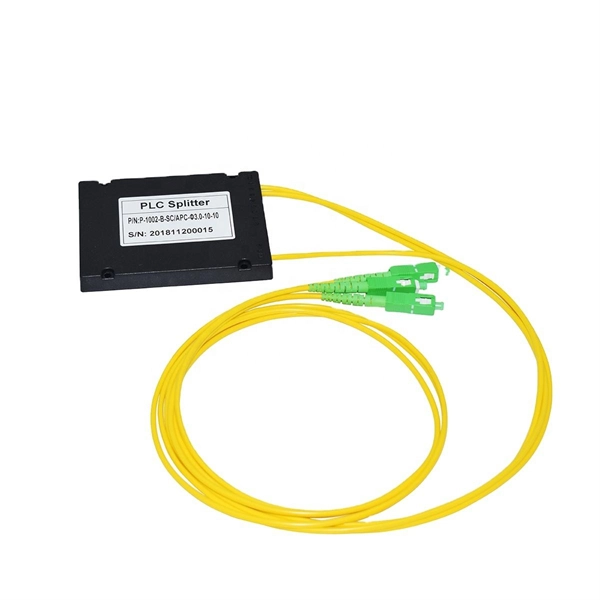
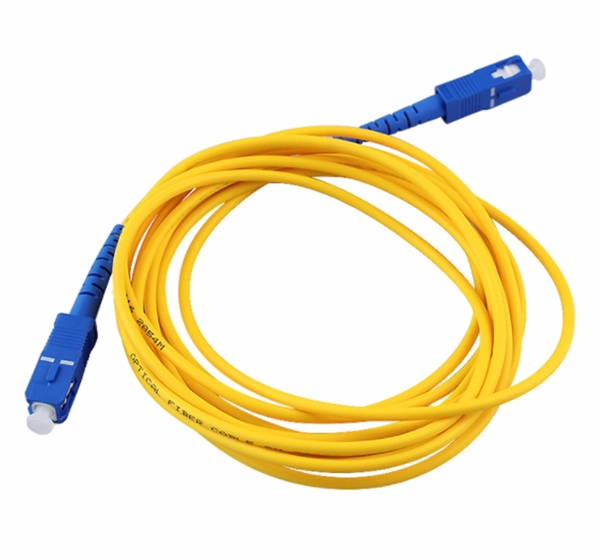
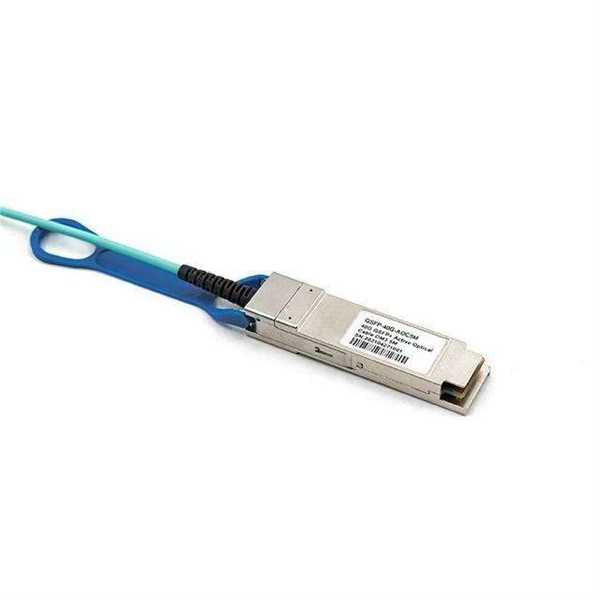
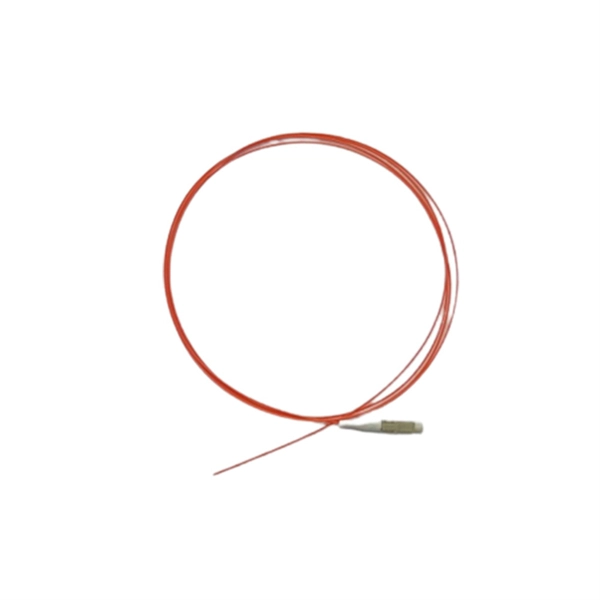
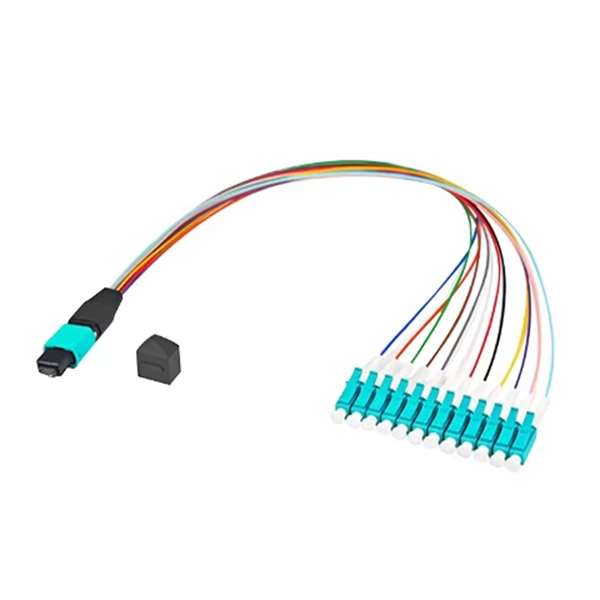
Single-mode fiber typically has a yellow jacket, while multimode fiber is usually orange or aqua, depending on the type.Single-mode Fiber ColorSingle-mode fiber (SMF) is designed for long-distance communication with a narrow core of about 9 µm, allowing only one light mode to propagate. According to TIA-598 standards, the outer jacket of single-mode fiber is usually yellow. This color helps technicians quickly identify it in installations and differentiate it from multimode fibers. Single-mode fibers are further classified as OS1 (indoor) and OS2 (outdoor), but both generally maintain the yellow jacket for consistency in identification .Multimode (Dual-mode) Fiber ColorMultimode fiber (MMF), which supports multiple light modes due to a larger core (50 µm or 62.5 µm), is typically used for shorter distances such as within buildings or campuses. The outer jacket color varies by type:OM1 and OM2: Orange jacket, with core diameters of 62.5 µm (OM1) or 50 µm (OM2)OM3 and OM4: Aqua jacket, optimized for laser transmission and higher bandwidthOM5: Lime green jacket, designed for wideband multimode applications These colors allow technicians to quickly distinguish fiber types and ensure proper connectivity in high-density installations.Inner Fiber IdentificationInside the cable, individual fiber strands are also color-coded following the TIA-598 standard. The standard sequence for up to 12 fibers is: blue, orange, green, brown, slate, white, red, black, yellow, violet, rose, and aqua. For cables with more than 12 fibers, the sequence repeats with stripes or tube color coding to maintain unique identification .SummarySingle-mode fiber: Yellow jacket, narrow core (~9 µm), long-distance useMultimode fiber: Orange (OM1/OM2), Aqua (OM3/OM4), Lime (OM5), larger core (50–62.5 µm), short-distance useInner strands: Follow TIA-598 color sequence for easy identification Using these color codes ensures proper installation, reduces errors, and simplifies maintenance in fiber optic networks .