Open-air temperature-sensing optical cable
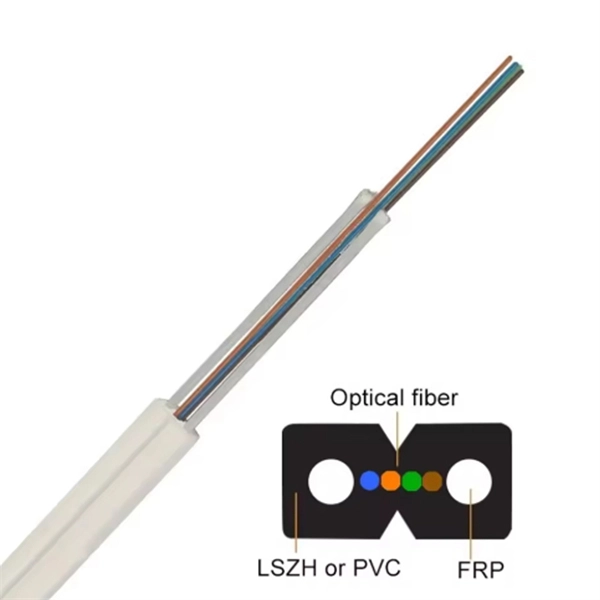
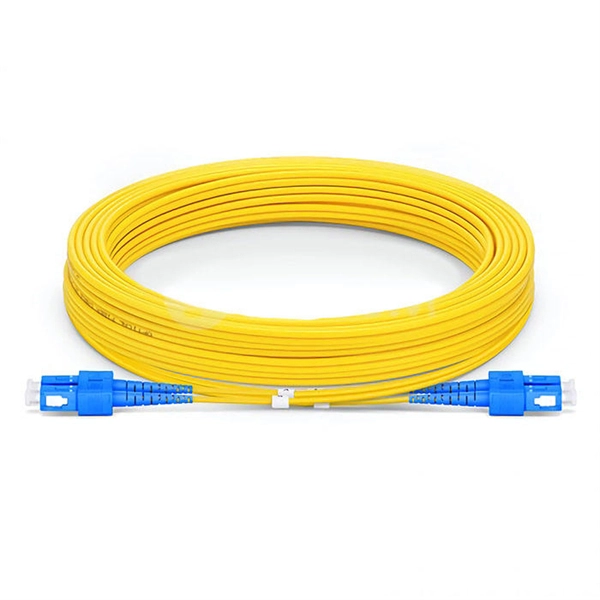
Open-air temperature-sensing optical cables use fiber optics to continuously measure temperature along their entire length, providing precise monitoring in harsh or outdoor environments.OverviewOpen-air temperature-sensing optical cables, often referred to as Distributed Temperature Sensing (DTS) cables, utilize standard fiber optic cables as linear temperature sensors. Unlike traditional point-based sensors, the entire length of the fiber acts as a sensing element, allowing continuous temperature measurement over long distances with high precision, often better than one degree Celsius (AP Sensing, Fibertek) . These systems are ideal for monitoring assets such as pipelines, power cables, tunnels, and storage tanks.How It WorksDTS technology relies on optical scattering phenomena, primarily Raman or Brillouin scattering. A laser pulse is sent through the fiber, and a small fraction of light is scattered back due to interactions with the glass structure. The arrival time of the backscattered light determines the position along the cable, while the intensity and wavelength shifts provide the temperature reading. This method is known as Optical Time Domain Reflectometry (OTDR) or, in a mathematically equivalent form, Optical Frequency Domain Reflectometry (OFDR) (AP Sensing) .Advantages for Open-Air ApplicationsLong-distance monitoring: DTS cables can measure temperature over tens of kilometers, making them suitable for large outdoor installations (Yokogawa) .High spatial resolution: Temperature can be resolved down to one meter along the cable, enabling precise detection of hot spots or leaks (Fibertek) .Harsh environment durability: Cables are engineered for extreme conditions, including high/low temperatures, UV exposure, and mechanical stress. Some designs include metal armor or loose-tube construction for rodent protection and direct burial (NBG Fiber Optics, Corning) .Electromagnetic immunity: Being optical, these cables are immune to electromagnetic interference, which is critical in outdoor industrial environments (Yokogawa) .Real-time monitoring: Continuous measurements allow early detection of anomalies such as overheating, leaks, or fire hazards (Corning) .ApplicationsPipeline monitoring: Detects temperature changes along oil, gas, or water pipelines, even in deserts or remote areas (Fibertek) .Power infrastructure: Monitors surface temperature of long-distance power cables to prevent overheating (Yokogawa) .Transport tunnels and industrial plants: Provides accurate temperature readings where physical access is limited or hazardous (Fibertek, AP Sensing) .Environmental monitoring: Can be deployed in open-air or buried installations to track temperature variations in critical infrastructure (NBG Fiber Optics, Corning) .Deployment ConsiderationsOpen-air DTS cables are available in various designs to suit specific environmental conditions. Options include metal-armored cables for mechanical protection, UV-resistant jackets for sunlight exposure, and flexible designs for aerial or direct-burial installation. Cable length, fiber type, and sensing technology (Raman, Brillouin, or Fiber Bragg Grating) are selected based on the required measurement range, resolution, and environmental factors (NBG Fiber Optics, Corning) . In summary, open-air temperature-sensing optical cables provide a robust, high-resolution, and continuous method for monitoring temperature over long distances in challenging outdoor environments, making them essential for industrial safety, preventive maintenance, and environmental monitoring.