Primary and secondary surge protection of the distribution box

Primary surge protection (Type 1 or Class I) is installed at the main distribution entry to block external surges, while secondary surge protection (Type 2 or Class II) is installed downstream in dist...

HOME / Primary and secondary surge protection of the distribution box - Araziyah Safety Infrastructure (Pty) Ltd
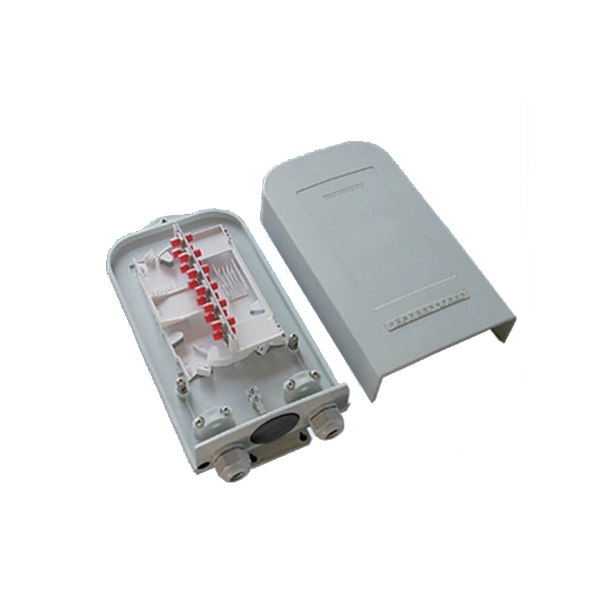
Primary and secondary surge protection of the distribution box

Primary surge protection (Type 1 or Class I) is installed at the main distribution entry to block external surges, while secondary surge protection (Type 2 or Class II) is installed downstream in distribution boards to protect internal circuits and equipment.Primary Surge Protection (First-Level Protection)Purpose: Primary surge protectors are designed to protect the entire electrical system from high-energy external surges, such as lightning strikes or utility grid fluctuations . They act as the first line of defense, preventing large transient voltages from entering the building.Installation Location: These devices are installed at the main distribution board or power entry point of a building, often at the junction between LPZ0A/LPZ0B and LPZ1 zones . If the building has outgoing lines to other distribution devices with independent grounding, primary SPDs may also be installed on busbars.Specifications: Primary SPDs typically have a voltage protection level (Up) ≤ 2.5 kV and an impulse current rating (Iimp) ≥ 12.5 kA per mode when exact values cannot be determined . They are connected to the building's grounding system to safely divert surge energy. Type 1 SPDs in UL classification correspond to this primary protection role .Secondary Surge Protection (Second-Level Protection)Purpose: Secondary surge protectors provide localized protection for downstream circuits and sensitive equipment, addressing surges generated internally (e.g., switching operations, motor startups) or residual surges that pass through primary protection . They are considered second-level or post-stage protection.Installation Location: These devices are installed inside distribution boards or near sensitive equipment, such as electronic equipment rooms or branch panels. They are positioned on the power supply side of switches or at the interface between LPZ2 and higher zones .Specifications: Secondary SPDs usually have a nominal discharge current (In) ≥ 5 kA and a voltage protection level ≤ 2.5 kV. They correspond to Type 2 SPDs in UL classification and are designed to reduce the residual surge to levels safe for connected equipment . Fine protection for critical devices may use Class II or Class III SPDs.Key Installation ConsiderationsShort Lead Lengths: SPDs should be mounted as close as possible to the equipment or busbars to minimize lead length, which reduces the effective voltage protection level .Cascading Protection: Combining primary and secondary SPDs in a cascaded arrangement ensures that high-energy surges are first blocked by the primary SPD, while secondary SPDs handle residual or internally generated surges .Grounding: Proper grounding is essential for both primary and secondary SPDs to safely divert surge energy. Separate grounding may be required for certain secondary SPDs if they protect sensitive equipment.Standards Compliance: Install SPDs according to relevant standards such as UL 1449, IEC 61643, and DIN VDE 0100-443 to ensure safety and effectiveness .SummaryPrimary Surge Protection (Type 1 / Class I): Installed at the main entry, protects the entire system from external surges, high impulse current rating, connected to building grounding.Secondary Surge Protection (Type 2 / Class II): Installed in distribution boards or near sensitive equipment, protects downstream circuits from residual or internal surges, moderate impulse current rating, ensures safe voltage levels for equipment.Using both primary and secondary surge protection in a layered, cascaded approach provides comprehensive protection for electrical systems and sensitive devices, minimizing the risk of damage from transient overvoltages.
Primary Secondary Surge Protection

Primary and Secondary Distribution Box Protection

Understand the critical distinctions between primary (11kV-33kV) and secondary (400V-1kV) distribution systems, including equipment, protection schemes, and application scenarios.
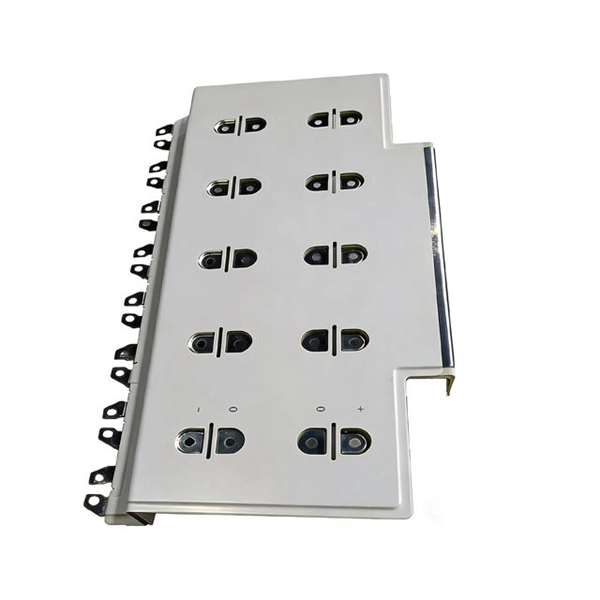
Detailed Explanation of Tiered Surge Protection for Distribution Boxes

In lightning protection, the surge protection device in distribution boxes plays a crucial role. According to the principle of graded lightning protection, and based on the likelihood of a building be...
Which type of surge arrestor is used in a distribution box panel?

Discover the different types of surge protectors (SPD) used in distribution board panels. Learn how to select the right surge protector based on protection level, and rated discharge current to safeguard
The basics of surge protection

Surge protection is the only thing that helps. Indeed, the operator of an electrical system generally replaces the material damage to the system with corresponding protection. However, the difference
Technical basics of lightning and surge protection

Where should the lightning and surge protection be installed? One important part is the energy supply and distribution. This is the basis for the protection of all
Surge Protection Device (SPD) Working Principle: SPD

Using a Type 1 surge protector alone may not be sufficient for properly discharging high-energy currents & limiting overvoltages. It is advised to
Distribution Board Types & SPD Protection: The

Explore distribution board types and features. Find the right one for your needs and see how SPD devices protect against surges for lasting
ABB surge protective devices

Cascade protection applies surge protection at each location within an electrical distribution system. An SPD can be placed at the service entrance, secondary distribution and on branch panels.
Power Distribution and Protection

As surges may be induced in cable between the main switchboard and distribution board or by the final loads themselves, a SPD in the main switchboard may not be close enough to direct a
Surge Protection Devices Selection Guide: Avoid Costly

A complete Surge Protection Devices Selection Guide to choose the right SPD for AC, DC, and solar systems, including Type 1/2/3 SPD coordination,
Surge Protection Devices (SPDs): Types, Regulations & Installation

A technical guide to surge protection devices: how SPDs work, BS 7671 requirements, Type 1/2/3 selection, and installation best practices for electricians.
Understanding the Different Types of Surge Protection Devices (SPDs

Explore the types of Surge Protection Devices (SPDs): Type 1, 2, and 3. Learn their roles, applications, and how they safeguard electronics.
Installation Location Of Primary And Secondary Surge

(1) A surge protection device of Class I test should be installed at the main distribution box where the power supply is introduced. The voltage
UPS systems and the need for secondary surge suppression

Why a UPS Alone Does Not Provide Adequate Secondary Surge Protection The advantages of installing a Surge Protective Device (SPD) on a facility''s service entrance are well documented and
Primary and secondary power distribution systems

As with spot networks, network protectors are used to protect against primary feeder faults, and prevent fault current to propagate from the grid to the
All Analysis Articles | Seeking Alpha

Seeking Alpha is the leading financial website for crowdsourced opinion and analysis of stocks, bonds and other investment analysis.
Surge protection for main distributions | Phoenix Contact

Surge protection in main power distributions Incorrectly installed surge protection poses a liability risk for planners and installers of switching devices. Connecting cables that are too long often lead to
Correct installation of surge protection devices

Surge protection devices (SPDs) can be installed at the main switchboard (as primary surge protection devices) or at sub-boards (as secondary surge protection devices). SPDs should...
Distribution Board Surge Protection

The safety and continuous operation of Electrical Power Distribution Board and Systems rely significantly on surge protection.
Surge protection FAQ

Eaton has an extensive family of surge protective devices (SPD) for any facility or application, but before make a purchasing decisions, you want more information
Business Standard

Hier sollte eine Beschreibung angezeigt werden, diese Seite lässt dies jedoch nicht zu.
Surge Protective Devices (SPD) – Protect home & electronics from

Surge Protective Devices (SPD) are used to protect the electrical installation, which consists of the consumer unit, wiring and accessories, from electrical power surges known as transient overvoltages.
Surge Protection Device Types: Type 1, Type 2, and

In this guide, we provide surge protection types explained in detail—from Type 1 devices managing high-energy lightning currents to Type 2

Data Center Infrastructure Insights