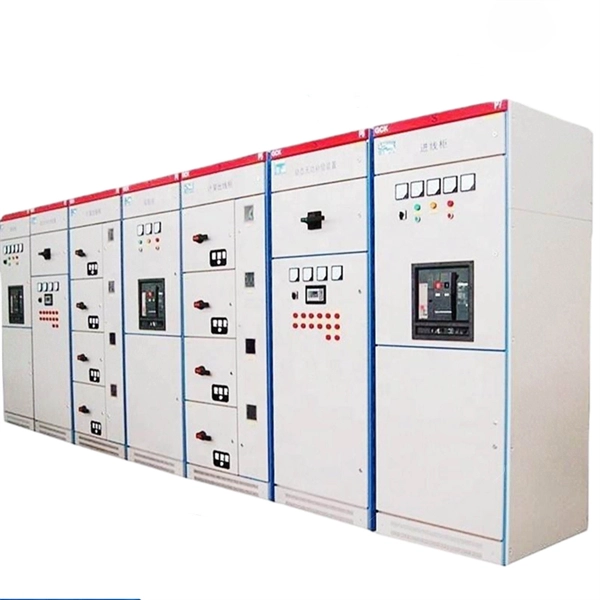
Regulations for Explosion-proof Distribution Box Enclosures
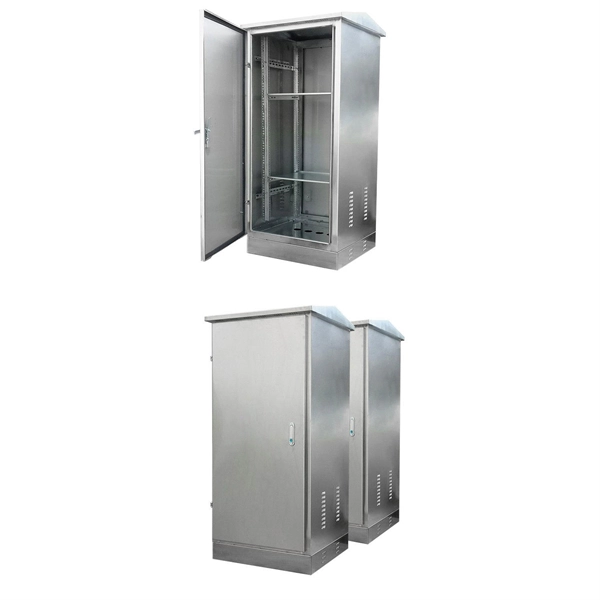
Explosion-proof distribution box enclosures must comply with global standards such as ATEX, IECEx, UL, and CSA to ensure safety in hazardous environments.Key Standards and CertificationsATEX Certification: Mandatory for hazardous areas in the European Union, ensuring equipment is safe for explosive atmospheres ( ).IECEx: International standard for safe use in explosive atmospheres, widely recognized globally ( ).UL & CSA: North American standards for electrical safety, applicable to Class I, Division 1 & 2 zones ( ).NEMA Ratings: Define enclosure protection against dust, water, and mechanical impact, critical for compliance in hazardous locations ( ).Hazardous Area ClassificationClass I / Zone 0, 1, 2: Areas with flammable gases or vapors.Class II / Zone 20, 21, 22: Areas with combustible dust.Enclosures must match the hazard classification to prevent ignition ( ).Protection TypesEx d (Flameproof/Explosion-Proof): Contains internal explosions and prevents flame propagation to the external atmosphere ( ).Ex i (Intrinsically Safe): Limits energy to prevent ignition entirely, suitable for low-energy instrumentation ( ).Ex e (Increased Safety): Prevents arcs or sparks under normal operation ( ).Material and Design ConsiderationsMaterials: Stainless steel, aluminum, or GRP for corrosion resistance and mechanical strength ( ).Ingress Protection: IP66 or higher is recommended for dust and water resistance ( ).Durability: Enclosures must withstand harsh industrial environments, including chemical exposure and offshore conditions ( ).Installation and MaintenanceCable Glands: Must match the enclosure type (Ex d, Ex e, Ex t) to maintain protection integrity ( ).Inspection Frequency: At least annually, or more frequently in high-risk areas, to ensure seals, wiring, and enclosure integrity remain intact ( ).Compliance: Only certified components should be used to avoid legal violations and ensure safety ( ).SummarySelecting an explosion-proof distribution box requires careful consideration of hazard classification, protection type, material, IP/NEMA rating, and global certifications. Compliance with ATEX, IECEx, UL, and CSA standards ensures safety, legal adherence, and reliable operation in hazardous environments such as chemical plants, oil and gas facilities, and offshore platforms ( ).