After the optical cable is laid
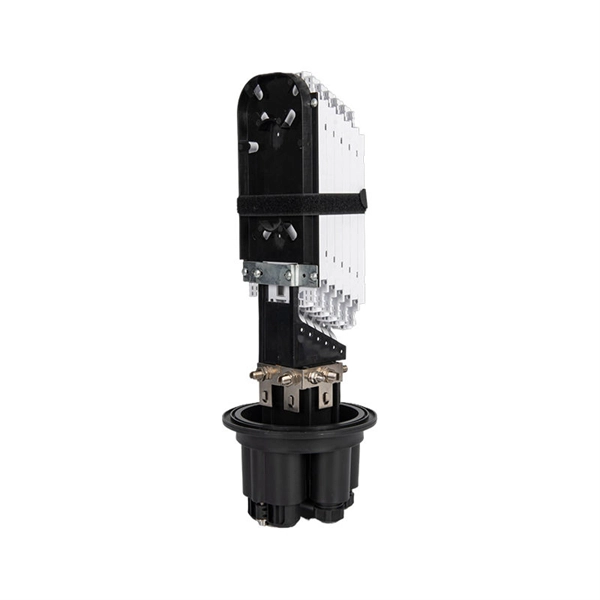
After an optical cable is laid, it undergoes inspection, protection, splicing, testing, and finally connection to end users to ensure a reliable fiber-optic network.Inspection and ProtectionOnce the optical cable is laid, technicians first check the cable for any damage and ensure it is in good condition. The ends of the cable must be sealed and made moisture-proof, avoiding immersion in water. When the cable passes through pipelines, bends, or crossovers, guiding devices or protective tubes are used to prevent damage to the outer sheath. Proper placement on brackets and leaving appropriate slack prevents overstretching, and reserved lengths are maintained at joints, poles, or river crossings according to design specifications .SplicingThe next critical step is splicing, where individual fiber strands are joined together. This requires specialized equipment and trained technicians to ensure precise connections. Proper splicing is essential for maintaining signal integrity and network efficiency, allowing the fiber-optic network to deliver high-speed, low-latency internet .Testing and Quality AssuranceAfter splicing, the network undergoes rigorous testing. Technicians measure signal strength, insertion loss, return loss, and perform OTDR (Optical Time-Domain Reflectometer) testing to detect faults or weak points. This ensures the network meets industry standards and is ready for reliable operation .Connection to End UsersOnce testing is complete, the fiber network is ready for connection to customer premises. Technicians install optical network terminals (ONTs) at homes or businesses, linking the network to routers or other devices. Proper configuration, including secure user accounts and firewall setup, ensures safe and efficient use of the fiber-optic service .SummaryIn summary, after laying an optical cable, the process involves inspection and protection, splicing, testing, and connecting to end users. Each step is crucial to maintain the integrity, performance, and reliability of the fiber-optic network, ensuring high-speed internet delivery.