Cable trays for large factory buildings
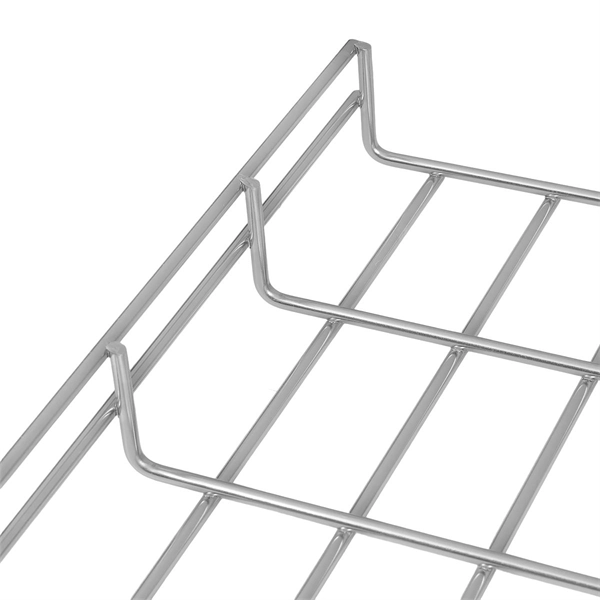
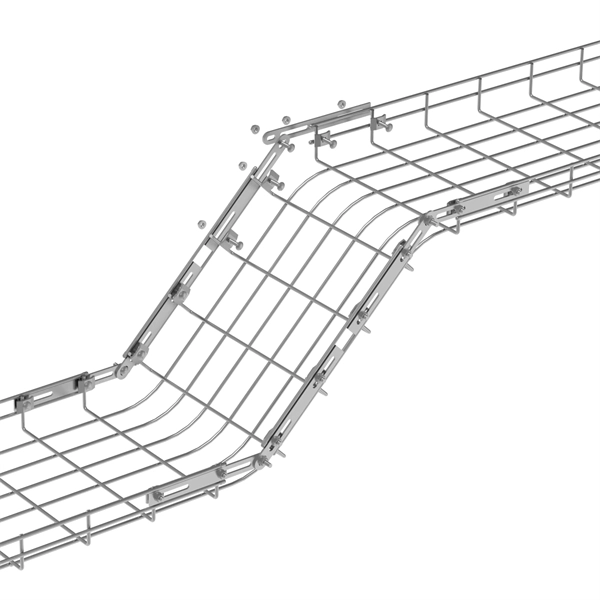
Ladder-type, perforated, and wire mesh cable trays are ideal for managing high volumes of power and data cables in large industrial settings, offering strength, ventilation, and flexibility.Types of Cable TraysLadder Trays: Designed for heavy-duty power cables, ladder trays feature two side rails connected by rungs, providing excellent structural support over long spans. They allow easy cable entry and tie-in, making them ideal for industrial factory runs where high cable loads and ventilation are critical .Perforated Trays: These trays have a flat base with ventilation holes, suitable for moderate cable loads. They offer partial protection against dust and debris and are commonly used where airflow and heat dissipation are important .Wire Mesh (Basket) Trays: Lightweight and highly flexible, mesh trays are perfect for data and low-voltage cabling. They are easy to cut, shape, and modify on-site, making them suitable for dynamic factory layouts or IT infrastructure within industrial buildings .Unperforated Trays: Provide maximum protection in dusty or corrosive environments, often used in chemical or marine industrial settings .Materials and FinishesCable trays are typically made from galvanized steel, aluminum, or stainless steel, offering corrosion resistance and suitability for both indoor and outdoor applications. Heavy-duty trays may also feature hot-dipped galvanization for enhanced durability in harsh factory environments .Sizing and Duty RatingsTray Width: Should accommodate the number and diameter of cables with spare capacity for future expansion. Overcrowding can restrict airflow and complicate maintenance .Duty Ratings: Light, medium, and heavy-duty trays are available depending on cable weight and span. Heavy-duty trays are recommended for large factory installations with long cable runs and high-power circuits .Accessories and InstallationCable tray systems include couplers, bends (45° and 90°), tees, crossovers, risers, and lids to create a complete, organized network. Proper support spacing, earthing, and segregation of power and data circuits are essential for safety and compliance .Compliance and StandardsFor UK installations, cable trays must comply with BS 7671 (IET Wiring Regulations) and BS EN 61537, covering load capacity, corrosion resistance, and fire behavior. Adhering to these standards ensures safety, reliability, and long-term performance .Advantages in Factory SettingsHigh Cable Volume Management: Supports large bundles of power and data cables efficiently.Ventilation: Open designs prevent overheating and extend cable life.Flexibility and Expandability: Easy to modify or expand as factory layouts change.Durability: Resistant to corrosion and mechanical stress, suitable for industrial environments . By selecting the appropriate tray type, material, and duty rating, and pairing it with the right accessories, factories can achieve a safe, organized, and future-proof cable management system that simplifies maintenance and supports long-term operational efficiency.